What people find about you online can follow you for years, especially if it involves old legal trouble. Even a case that was dismissed, resolved, or sealed can still show up in Google. So is there anything you can do about it?
You may have heard of the “Right to Be Forgotten.” It lets people ask search engines to remove personal information. But does it apply to court records? And can it help clean up your online presence? Let’s break it down.
Dig Deeper: How to Remove Court Records from Google Search
What Is the Right to Be Forgotten?
The Right to Be Forgotten (RTBF) is the idea that people can ask to have certain personal information removed from search results. It applies most when that information is old, off-topic, or no longer useful to the public.
The idea began in Europe. In 2014, the Court of Justice of the European Union (CJEU) ruled that people could ask search engines like Google to remove certain links, under set conditions.
In the EU, this right is part of the General Data Protection Regulation (GDPR). It lets people file delisting requests for personal information. That can include old news articles, legal records, or embarrassing content, if it is no longer accurate or relevant.

Does the Right to Be Forgotten Exist in the United States?
No. The United States does not officially recognize the Right to Be Forgotten the way Europe does. Here, the First Amendment (free speech) and public access to records usually outweigh privacy for public information like court records.
Still, some limited privacy protections do exist under U.S. law. And there are other ways to remove or suppress court records even without a legal “right to be forgotten.”
Does It Apply to Court Records?
In Europe: Yes, In Some Cases
In Europe, people have gotten Google to delist court records. This works best for:
- Old or minor convictions
- Dismissed cases
- Charges that no longer reflect the person’s current life
- Sealed or expunged cases
But the search engine weighs your privacy against the public’s right to know. If you are a public figure, or the details still matter, they may say no.
In the U.S.: Rarely
In the United States, court records are public. Google and websites are not required to remove them, unless:
- The court record was expunged or sealed
- The content violates Google’s removal policies (e.g., sensitive personal info)
- The content is legally defamatory or false
So the Right to Be Forgotten cannot be enforced in the U.S. But you still have options to reduce or remove court records from public view.
What Are Your Options in the U.S.?
1. Expungement or Sealing
If you qualify, you can ask the court to expunge or seal your record. Once that is approved, you can send the legal papers to:
- Third-party databases
- Court websites
- Google (in limited cases)
This is the most direct way to legally hide court records from the public.
2. Request Removal from Websites
Some private websites, like mugshot databases or background check sites, let you send a removal request. You may need to provide:
- Proof of expungement
- Proof the case was dismissed
- A legal reason (e.g., outdated, irrelevant, or incorrect)
3. Google Removal Requests
The U.S. does not follow RTBF. Even so, Google may remove search results if:
- The page contains personally identifiable info (like your SSN or home address)
- The page violates Google’s content policies
- You submit a legal removal request with supporting documentation
Start here: Google Content Removal Tool
4. Suppression via SEO
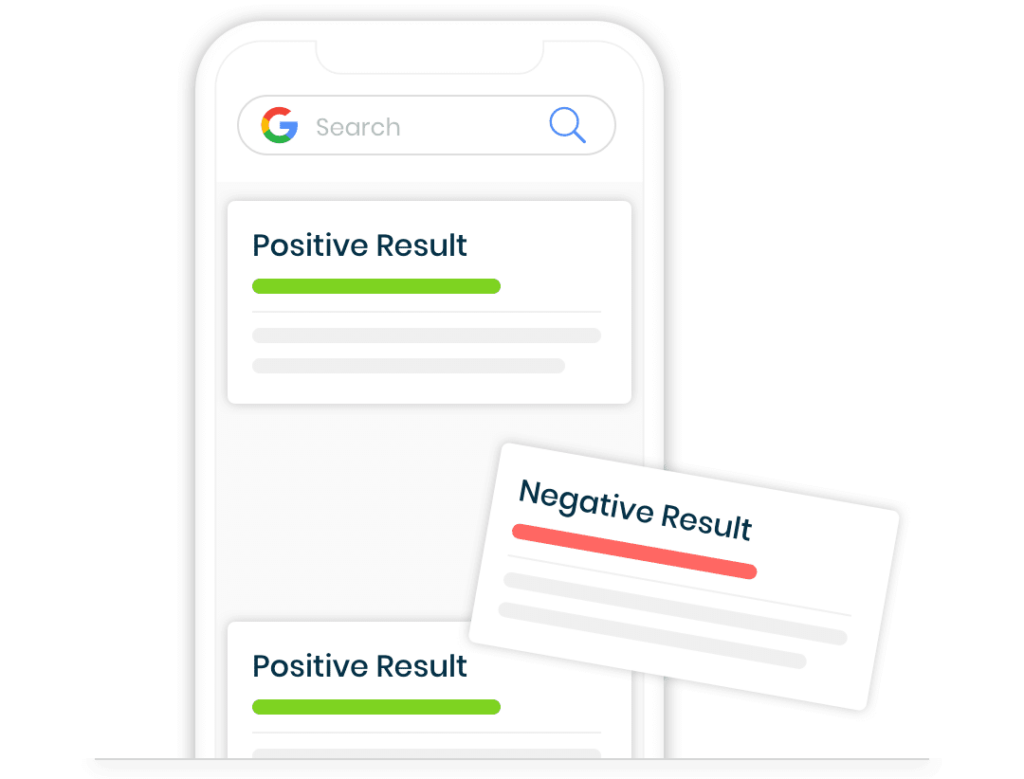
If the content can’t be removed, bury it with positive content:
- Personal website and blog
- Active social media profiles
- Articles, press releases, or interviews
- Business profiles and positive reviews
This pushes negative court records off the first page of Google, so they are harder to find.
Real-World Example: European vs. U.S. Policy
A UK man convicted of a minor crime in 2008 used the Right to Be Forgotten to remove links to his court case from Google. A U.S. small business owner had a dismissed civil lawsuit. He could not get the same content removed, even though it still hurt his business, because the U.S. has no such law.
Lesson: In the U.S., you need a removal or suppression plan. You can’t rely on a “right” that does not legally exist.
Final Thoughts
The Right to Be Forgotten gives strong protection in the EU. In the U.S., it is not part of the law. If court records show up in Google, your best move is to remove them at the source when you can, or bury them with strong content.
Want help? Top Shelf Reputation removes and suppresses court records to protect your online image. We build a custom plan that puts your best self forward and pushes the past out of sight.
Contact us today to get started.
Last updated on July 26, 2026