A dismissed lawsuit, an old arrest, or a settled civil case can all linger online. Over time, they can hurt your personal or work reputation. Even if you were never convicted, the internet doesn’t tell the full story. Google won’t explain the context either.
So how do you protect your name when it is tied to public legal records? Here is a clear, step-by-step guide to take control of your online image. It includes a few real examples that show why this matters.
Dig Deeper: How to Remove Court Records from Google Search
Step 1: Know What’s Out There
Start with a Google search of your name. Use incognito mode and try different versions, with and without your middle name, city, or job.
What to look for:
- Court records from government sites
- Mentions on news websites or press releases
- Background check databases or mugshot sites
- Archived legal filings (PACER, Justia, etc.)
This shows you what others see when they look you up. You can’t fix what you can’t find.
Step 2: Remove or Suppress Legal Records
Option A: Remove the Content
Some websites will remove legal records, especially if they are old, wrong, or you can prove the case was dismissed or expunged.
- Contact the source site (e.g., county court site, third-party record database)
- Provide legal documentation like expungement orders or court dismissals
- Use Google’s removal tool for pages that expose sensitive personal info
Important: Government court sites are usually the hardest to change. But many other sites will honor a formal request.
Option B: Suppress the Content
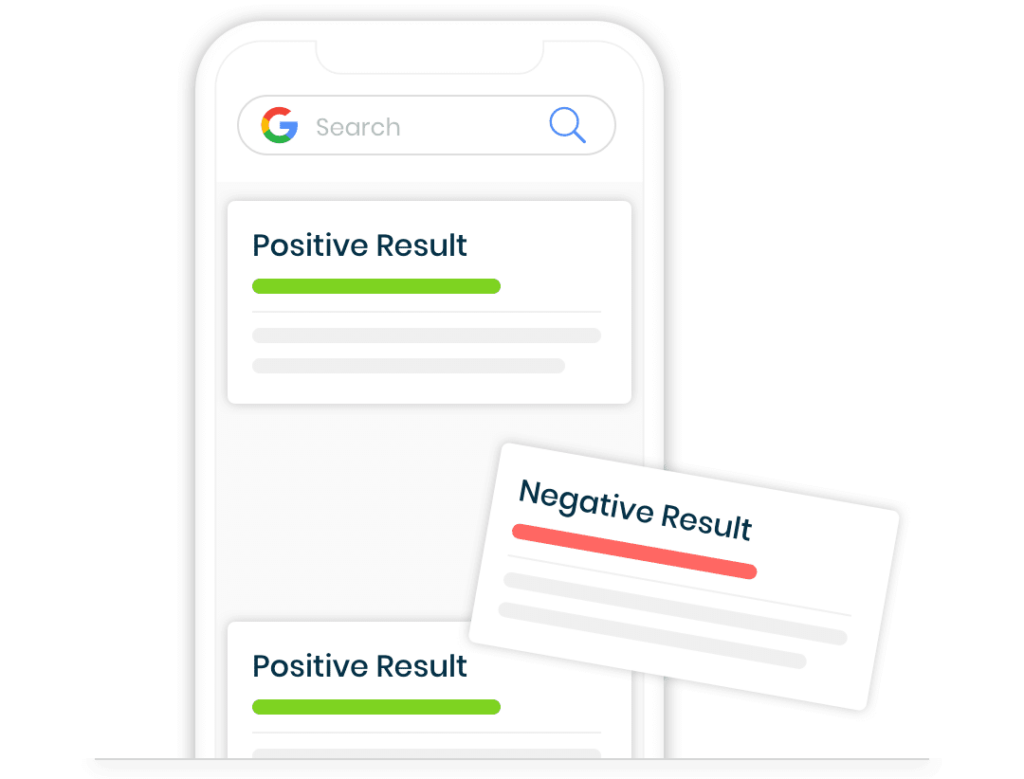
If removal isn’t an option, push the court records down in Google with search suppression.
- Build a personal website using your full name
- Optimize your LinkedIn, Twitter, and other professional profiles
- Publish positive blog content, articles, or guest posts
- Get news mentions, press releases, or awards featured on other websites
The goal is to fill the first page of Google with strong, positive content, so the negative links land past page one.
Step 3: Secure Future Mentions
Set up Google Alerts for your name, business name, and any aliases. This helps you spot new mentions so you can act fast.
Also:
- Claim your profiles on review sites and business directories
- Regularly update your social media and personal content
- Avoid unnecessary legal disputes that could become public
Step 4: Get Legal Support (When Needed)
If the content is defamatory, false, or breaks privacy laws, talk to an attorney. In some cases, you can send a legal takedown request to the site or its host.
Some legal options include:
- Cease and desist letters
- Court-issued injunctions
- DMCA or privacy-based removal requests
This route works best when the content is misleading or posted to cause harm.
Step 5: Work With a Reputation Management Partner
Managing your reputation takes time and can get complicated. A professional service can save you time and stress, and help you pick the best plan.
A quality firm can:
- Remove or suppress legal records
- Build a full digital reputation strategy
- Help repair trust with customers, partners, or employers
Learning From Failure and Turning Things Around
Real-Life Examples and Lessons
1. Dame Ann Gloag and False Allegations
Dame Ann Gloag, co-founder of Stagecoach, faced false human trafficking claims that got wide coverage. The charges were dropped. Still, she said her reputation was badly harmed. False legal claims can leave a lasting mark. Latest news & breaking headlines
Lesson: Fast legal action and clear public statements are key to limiting the damage from false claims.

2. Rudy Giuliani’s Disbarment
Former New York City Mayor Rudy Giuliani was disbarred for trying to overturn the 2020 presidential election results. The case did real harm to his reputation and overshadowed his past work. People.com
Lesson: Unethical legal conduct can bring serious harm to your career and your name.
3. Chris Brown’s Legal Troubles
Singer Chris Brown has had many legal problems, including assault charges. They have kept hurting his public image and career. Despite his talent, his legal history has stained his reputation. EW.com
Lesson: Repeated legal problems add up and drag down your reputation. Staying within the law matters.
4. Neville Taylor’s Company Directorship Ban
Neville Taylor was tied to over 400 companies. He was banned from running companies for nine years for his part in gaming the insolvency system. The case badly hurt his professional reputation. Latest news & breaking headlines
Lesson: Unethical business practices can bring legal trouble and long-term harm to your name.
Manage your online presence and deal with past legal records. You can protect and even improve your reputation, and cut the harm to your personal and work life.
Final Thoughts
Past legal records don’t have to define your future. But left alone, they can hurt your reputation. Remove what you can, push down what you can’t, and build a strong personal or brand presence. Then you can rewrite the story people find online.
Need help cleaning up court records or protecting your name? Top Shelf Reputation removes legal content and rebuilds trust. Reach out today to take control of what people find online.
Last updated on July 26, 2026