Your online presence can say more about you than you think, especially when you apply for a loan. Online court records are just a few clicks away for lenders who do their homework. Whether you want a mortgage, car loan, or small business financing, public court records could be the hidden thing that blocks your approval.
In this article, we’ll show how court records affect loan decisions, what lenders look for, and how to protect your financial credibility.
Dig Deeper: How to Remove Court Records from Google Search
What Are Online Court Records?
Court records are public documents made during civil or criminal cases. They may include:
- Lawsuits (even if dismissed or settled)
- Bankruptcy filings
- Evictions
- Criminal charges or convictions
- Tax liens
- Divorce or family court cases
These records can show up in Google search results, background check sites, and other court databases like Justia, PACER, and county court websites. Once search engines index them, banks, credit unions, and private lenders can find them online.
Do Lenders Actually Check Google or Court Records?
Yes. Many lenders look past your credit report. Not every underwriter runs a full Google search. But many loan officers, especially in private or small business lending, will review:
- Google search results
- Background check reports
- Public court record databases
- Reputation-related findings (e.g., news articles, lawsuits)
For bigger or riskier loans, like mortgages or SBA loans, lenders often look for red flags that your credit report misses. That can include open lawsuits or past bankruptcies that hint at money trouble or poor choices.
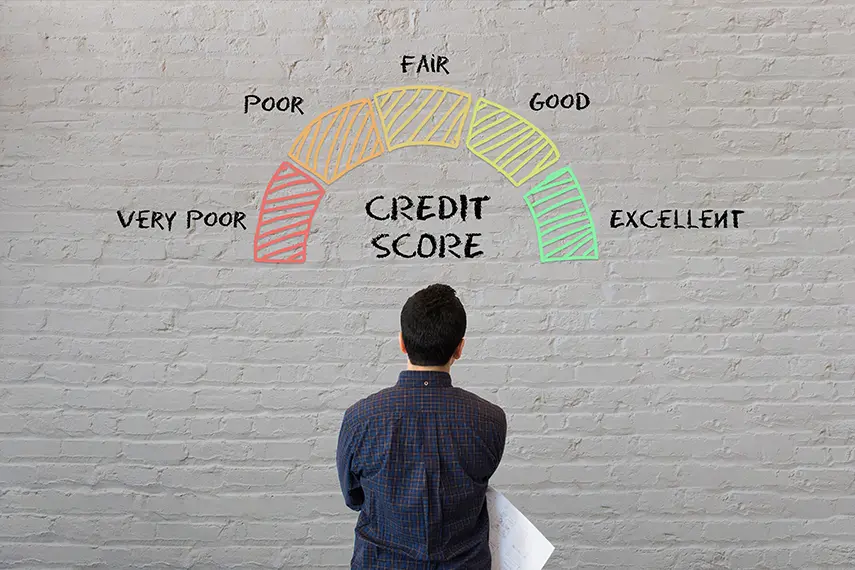
What Red Flags Are Lenders Looking For?
Even with a solid credit score, these online court records can affect your loan application:
1. Bankruptcy Filings
Even after discharge, bankruptcy records can stay online. They can make lenders pause, even after they drop off your credit report.
2. Ongoing or Past Lawsuits
As the plaintiff or the defendant, a lawsuit still signals risk. If you were sued for breach of contract, fraud, or unpaid debts, lenders may see you as a risk.
3. Eviction Records
If you were evicted, even years ago, it can raise questions about your payment history and money habits.
4. Tax Liens or Judgments
Legal judgments and unpaid taxes appear in court records. They can quickly derail a loan approval.
5. Criminal Records
Even dismissed charges can get flagged if they appear in background checks or online searches. This varies by lender. Some will count them in high-risk reviews.
Real-World Example: A Small Business Loan Denied
A small business owner applied for a $250,000 line of credit. On paper, everything looked solid: good revenue, a high credit score, and strong cash flow. But during underwriting, the lender found an old civil court case online. He had been sued over a contract dispute five years earlier. The lawsuit was dismissed. Because it sat on the first page of Google, the lender saw it as a risk and denied the loan.
Lesson: Even settled legal matters can resurface online and sway money decisions if you don’t deal with them.
How to Protect Yourself (or Your Business)
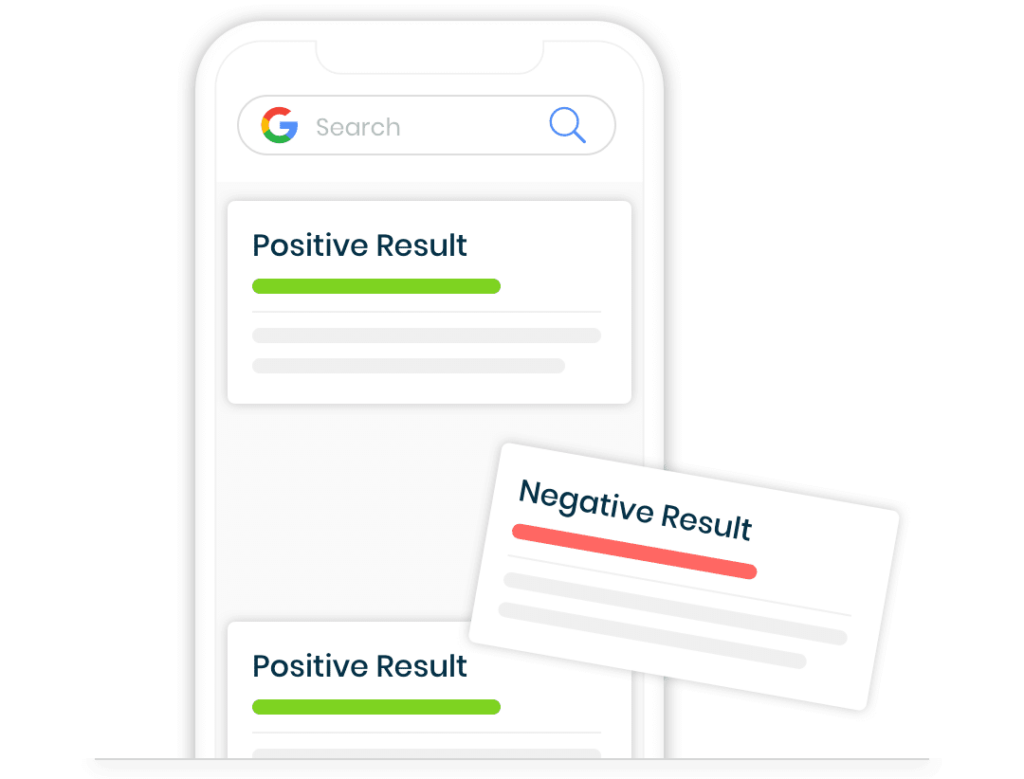
1. Google Yourself Before You Apply
Search your name and your business name in incognito mode. Write down any court records, news articles, or legal mentions that show up.
2. Remove or Suppress Harmful Content
When you can, ask to remove old or wrong court records from other websites. For sites that won’t take them down, use SEO to push them lower in search by publishing:
- Your personal website
- Updated LinkedIn profiles
- Positive media coverage
- High-authority directory listings
3. Be Transparent (When Necessary)
If a record is sure to come up, think about explaining it to the lender first. A little context can soften the blow and build trust.
4. Consider Expungement or Record Sealing
If your record qualifies, have it sealed or expunged through the courts. Then follow up with websites and background check services to ask them to remove the content.
5. Work with a Reputation Management Firm
A trusted firm can help remove court records from Google, push down bad content, and build a cleaner online presence before you apply for financing.
Final Thoughts
For loan applications, your credit score is just the start. Online court records can have a real effect on your funding, whether they are accurate, outdated, or already resolved.
If you plan to apply for a loan and worry about what may show up online, act now. The cleaner your online footprint, the better your odds of approval.
Need help? Top Shelf Reputation removes court records from Google and helps people and businesses build reputations that support financial success. Contact us today to get started.
Last updated on July 26, 2026